

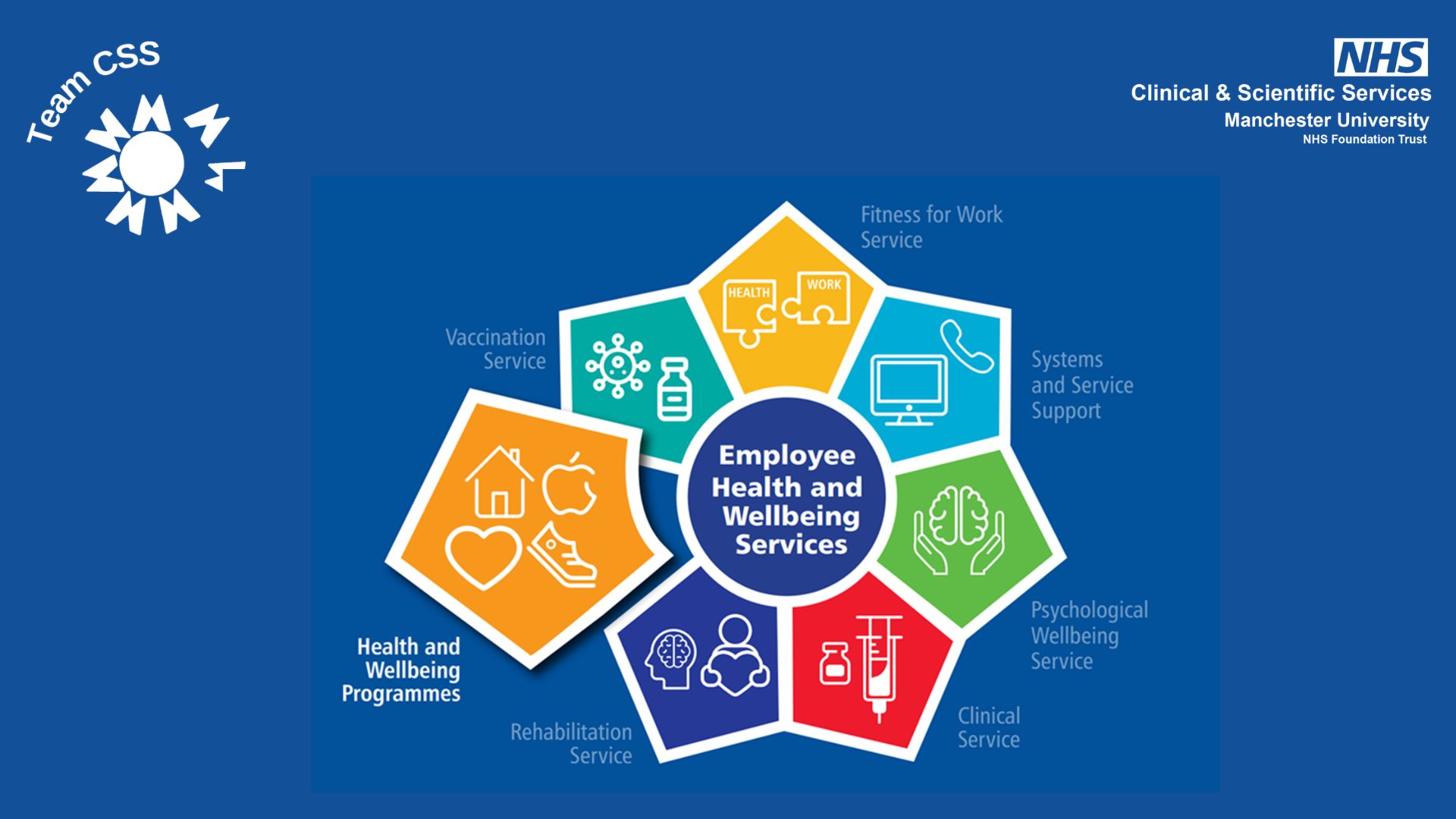
Healthcare colleagues have been consistently recognised as being at a higher risk of burnout. The nature of our work – high demand, emotional load, pace and complexity – means that feeling stretched can become normalised, even when it shouldn’t be.
To support colleagues, a dedicated session is being offered that focuses on understanding burnout and how we can prevent and manage it, both individually and collectively.
What the session covers
This session provides a practical, evidence‑informed overview of:
- What burnout is – and what it isn’t
- How burnout develops over time
- Early signs and risk factors to look out for
- Prevention and management strategies at three levels:
- Individual – things we can do to protect our own energy and wellbeing
- Managerial – how leaders can spot, support and respond effectively
- Organisational – the conditions that help reduce burnout risk across teams
The emphasis is on realistic, practical strategies that can be applied in day‑to‑day work, rather than quick fixes or individual resilience alone.
Why this matters
Burnout doesn’t just affect individuals. It impacts:
- Team relationships
- Capacity and decision‑making
- Compassion, energy and engagement at work
Creating space to talk openly about burnout – and to understand it properly – is a key part of supporting healthy teams and sustainable ways of working.
Book your place
The next session is taking place on:
📅 Wednesday 29 April
🕙 10.00 – 11.00am
Places can be booked now. You can also use the booking link to find alternative dates if this session isn’t suitable.
👉 Book your place now or view alternative dates
Looking after ourselves and each other is not an optional extra – it’s essential to the care we provide and to sustaining our workforce. We encourage colleagues at all levels to attend if this session feels relevant.
Leave a Reply